-
About
About
- Events
-
Summer Programs
Summer Programs
- Get Involved
-
International Convention
International Convention
-
Resources
Resources
-
Meet the Team
Connection
Parshat Vayikra: Owning It After You Mess Up

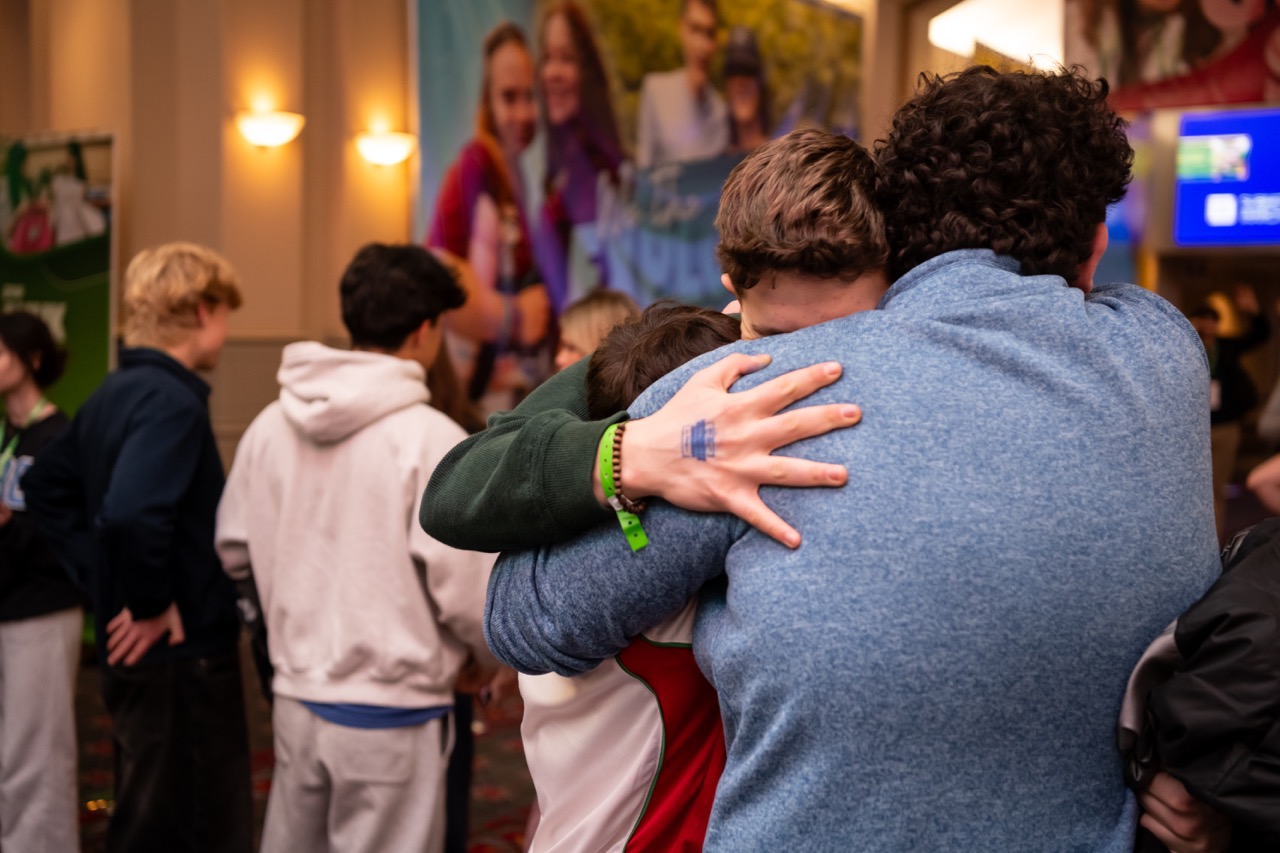
Nobody likes to be wrong.
We hate to admit it. We explain it away, say it wasn’t a big deal. We tell ourselves that everyone messes up, so it's fine. Then comes Sefer Vayikra.
The book of Vayikra opens with a long, detailed description of korbanot, the sacrificial offerings brought when someone sinned. At first glance, it feels ancient, something none of us can relate to. How could we? We don’t bring animals to mishkan anymore, we don’t stand before the altar. However, all you have to do is dig a little deeper. When someone brought a korban for a mistake, they didn’t just drop it off and leave. They had to lean their hands on the animal, be physically present. They were forced to acknowledge "this was me".
Vayikra teaches that growth doesn’t start with perfection, but rather ownership. You can’t fix what you refuse to face, can’t become better if you pretend you didn’t mess up in the first place.
In the world we live in, it is so easy to only show our strengths. On social media, through leadership titles, etc. It is normal to only show the polished versions of ourselves, the versions that people will admire more. But the Torah disagrees. This portion teaches us that holiness only truly begins when you admit you are human.
Especially in BBYO, where so many of us have found our truest selves and our closest friends, this portion, this lesson, matters. You may say the wrong thing. You may mess up. Forget responsibilities, hurt someone's feelings. The question isn’t whether we’ll make mistakes or even the mistakes we will make. It is how we respond to them.
Vayikra tells us not to hide, but to step forward. Taking responsibility and apologizing when you mess up, it doesn’t make you weaker. It makes you trustworthy. It builds real connections, turns guilt into growth.
We no longer partake in korbanot (something I think we are all glad for). Yet we still have the chance to own our actions. To apologize. To repair. To do better next time. That’s not ancient. It’s timeless.
Shabbat Shalom,
Sasha Grossman
Hudson Valley Region
__________
Simchat Torah Challenge Podcast Series
Interested in listening to this week's parsha? Check out New England Region's take on Parshat Vayikra as a part of the Simchat Torah Challenge Podcast Series. The Simchat Torah Challenge is a yearlong journey where teens from around the Order are exploring the Torah, one parsha at a time. Teens are connecting with the text, sharing their thoughts, and exploring how it relates to their own lives.
All views expressed on content written for The Shofar represent the opinions and thoughts of the individual authors. The author biography represents the author at the time in which they were in BBYO.
Explore More Stories
Identity
Always AZA
This poem is dedicated to Andrew Sober, an Aleph from Baltimore Council, and for every Aleph whose memory continues to live on through our Brotherhood.
Identity

Dear BBYO, Thank You for a Lifetime of Memories
My senior life. The experiences and people who shaped my BBYO experience, whom I will take with me long after BBYO.
Connection
Parshat Behar-Bechukotai: Does BBYO Follow Commandments From G-d?
In the double portion of Behar-Bechukotai, God gave Moses commandments. Does BBYO fit into those commandments?